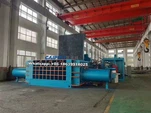
One-stop Alligator Metal Shear Factory in China
The alligator shear is an indispensable tool for processing scrap metal, but its powerful cutting action demands the utmost respect for safety. A moment of carelessness can lead to life-altering injury. Follow these tips to ensure every cut is a safe one.
Golden Rule
The Shear is a Tool, Not a Toy,There are no second chances with this machine.
Pre-Operation: The Safety Foundation
Personal Protective Equipment (PPE) – NON-NEGOTIABLE
Eye Protection: Safety glasses are not enough. You must wear full-face shield or safety goggles to stop flying metal chips and scale. Wear them under a face shield for maximum protection.
Hand Protection: Heavy-duty, cut-resistant gloves to handle sharp metal. NEVER wear loose-fitting gloves that could get caught in moving parts.
Hearing Protection: The impact of cutting creates high decibel noise. Wear earplugs or earmuffs.
Body Protection: Long sleeves made of durable material (not loose), steel-toe boots, and pants without cuffs to prevent hot chips from lodging in fabric.
Machine Inspection & Setup (Before Every Shift)
Check the Brake & Clutch: Ensure the shear's clutch/brake system engages and disengages correctly. The blade must not move when the control is released.
Inspect the Blade: Look for cracks, chips, or excessive wear. A damaged blade can shatter or send shrapnel flying.
Verify Hydraulics: Check for oil leaks around cylinders and hoses. Leaks can cause sudden failure or fire.
Clear the Area: Ensure the floor is clean and dry (no oil, water, or trip hazards). Keep a 3-meter (10-foot) clear zone around the shear, free of other workers and clutter.
Secure the Workpiece: Use vises, clamps, or a holding fixture to secure long or awkward pieces. Your hands should never be used to hold material near the blade.


Stand with your feet shoulder-width apart for balance, never directly in front of the blade.
Stand to the side of the shear's pivot point to be outside the "pinch zone" and path of any ejected material.
Keep your body and especially your hands clear of the blade's closing path.
Feed material smoothly and evenly into the shear's jaws. Do not force or jam it.
For long material (rebar, angle iron), use a support stand or roller to hold the unbitten end level. Do not let it cantilever unsupported.
Never place your hand or any part of your body between the blades or in the cutting area. Use a push stick or pliers to guide short pieces.
Use the two-hand control (if equipped) to initiate the cut. This ensures both hands are safely away from the blade.
Watch the cut as it happens, but keep your face protected behind the shield.
Allow the shear to complete its full cutting cycle before releasing the controls.
Wait for the blade to come to a complete stop before retrieving the cut piece.
Remove cut pieces with pliers or a magnet, not your hands-the edges are razor-sharp and often hot.
Place cut material in a designated container; do not let it pile up around the shear.
Critical "NEVER" Rules
NEVER attempt to cut material beyond the shear's rated capacity (check the manual). This can break the blade or frame.
NEVER cut round or spherical objects (like solid bar stock or bearings) unless the shear is specifically designed for it. They can roll and be violently ejected.
NEVER reach into the shear to clear a jam while power is connected. Lock Out, Tag Out (LOTO) the machine first.
NEVER operate the shear if safety guards are removed or interlocks are bypassed.
NEVER operate while fatigued, distracted, or under the influence of medication or substances.