

Hey there! As a supplier of Push - out Metal Balers, I often get asked about the noise level of these machines during operation. It's a valid concern, especially for those who are planning to use these balers in a work environment where noise could be an issue. So, let's dig into what the noise level of a Push - out Metal Baler is all about.
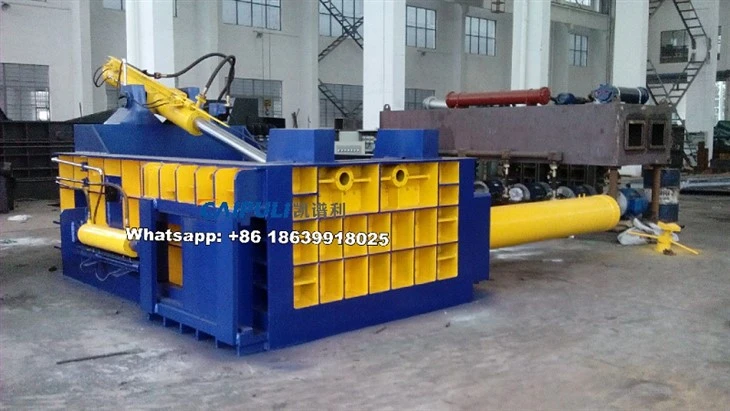
Understanding the Basics of Push - out Metal Balers
First off, for those who aren't super familiar with Push - out Metal Balers, they're pretty cool machines. They're designed to compress scrap metal into dense bales. This process is super important in the recycling industry because it makes the metal easier to transport and store. We've got different models like the Y81T - 200 Push - out Scrap Metal Baler, Y81 - 800 Double Hydraulic Cylinder Metal Baler, and Y81T - 125 Push - out Hydraulic Scrap Metal Baler, each with its own set of features and capabilities.
What Causes the Noise in Push - out Metal Balers?
There are a few factors that contribute to the noise generated by Push - out Metal Balers. The main culprits are usually the hydraulic system, the compression process, and the movement of the metal itself.
The hydraulic system is a key part of these balers. It uses fluid to transfer power and control the movement of the machine. When the hydraulic pumps are working, they create a certain amount of noise. The pressure changes and the flow of the hydraulic fluid can cause vibrations and rattling, which all add to the overall noise level.
The compression process is another major source of noise. When the baler compresses the scrap metal, it exerts a huge amount of force. The metal being squeezed and deformed makes a lot of noise, kind of like when you try to bend a thick metal rod. The louder the crunching and banging sounds, the more intense the compression is.
And then there's the movement of the metal inside the baler. As the scrap metal is fed into the machine and pushed around during the baling process, it rubs against the walls of the baler and other pieces of metal. This friction creates a scraping and clanging noise that can be quite loud.
Measuring the Noise Level
The noise level of a Push - out Metal Baler is usually measured in decibels (dB). Decibels are a unit used to measure the intensity of sound. A normal conversation is around 60 dB, while a lawnmower can be around 90 dB.
The noise level of our Push - out Metal Balers typically ranges from 80 dB to 95 dB, depending on the model and the specific operating conditions. For example, the smaller models like the Y81T - 125 might be on the lower end of that range, while the larger and more powerful models like the Y81 - 800 could be closer to the higher end.
It's important to note that these are just general estimates. The actual noise level can vary based on things like the type of metal being baled (some metals are harder and make more noise when compressed), the age and condition of the baler, and how well it's maintained.
Impact of Noise on the Work Environment
A high noise level in the workplace can have several negative impacts. For the workers, it can cause hearing damage over time if they're exposed to it without proper protection. Prolonged exposure to noise levels above 85 dB can lead to permanent hearing loss, tinnitus (ringing in the ears), and other auditory problems.
It can also affect the overall productivity of the workers. Loud noise can be distracting, making it harder for them to focus on their tasks. It can cause stress and fatigue, which can lead to more mistakes and a decrease in efficiency.
In addition, there are often regulations and standards regarding noise levels in the workplace. Employers are usually required to take steps to reduce noise exposure to protect their employees. This could mean providing ear protection, implementing noise - control measures, or choosing equipment with lower noise levels.
Reducing the Noise Level of Push - out Metal Balers
At our company, we understand the importance of reducing the noise level of our Push - out Metal Balers. We've implemented several measures to make our machines quieter.
One of the things we do is use high - quality hydraulic components. By using better pumps and valves, we can reduce the vibrations and noise generated by the hydraulic system. These components are designed to operate more smoothly and efficiently, which helps to cut down on the overall noise.
We also add sound - absorbing materials to the baler's structure. These materials can dampen the noise created by the compression process and the movement of the metal. They're placed in strategic locations inside the baler to absorb as much sound as possible.
Another way we reduce noise is through proper maintenance. Regularly checking and servicing the baler ensures that all the parts are in good working condition. Loose or worn - out parts can create extra noise, so keeping everything tight and well - maintained helps to keep the noise level down.

Comparing Our Push - out Metal Balers with Competitors
When it comes to noise levels, our Push - out Metal Balers are pretty competitive. We've put a lot of effort into designing and manufacturing machines that are as quiet as possible without sacrificing performance.
Some of our competitors might have balers that are louder, especially if they're using lower - quality components or don't have effective noise - reduction measures in place. By choosing our balers, customers can get a machine that does the job well while also keeping the noise to a minimum.
The Bottom Line
So, to sum it up, the noise level of a Push - out Metal Baler during operation is influenced by the hydraulic system, the compression process, and the movement of the metal. Our balers typically have a noise level ranging from 80 dB to 95 dB, but we've taken steps to reduce that as much as we can.
If you're in the market for a Push - out Metal Baler and noise is a concern for you, we'd love to talk to you. Our team can provide more detailed information about the noise levels of our different models and how we've worked to make them quieter. Whether you're running a small recycling operation or a large - scale industrial facility, we've got a baler that can meet your needs. Don't hesitate to reach out and start a conversation about how we can help you with your metal - baling requirements.

References
- Occupational Safety and Health Administration (OSHA). "Noise Exposure." OSHA.gov.
- International Organization for Standardization (ISO). "Acoustics - Measurement of noise emitted by machinery and equipment." ISO standards.


