

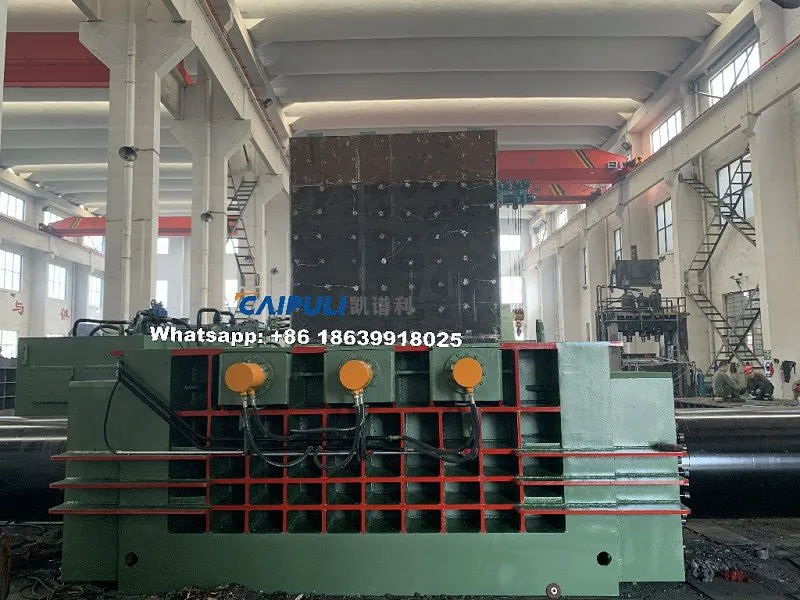
Corrosion is a common and troublesome issue for industrial equipment, including the Y81T - 400 Car Baler. As a trusted supplier of the Y81T - 400 Car Baler, we understand the importance of preventing corrosion to ensure the longevity and efficient operation of this valuable machinery. In this blog, we will explore various strategies and best practices to prevent corrosion of the Y81T - 400 Car Baler.
Understanding the Causes of Corrosion in the Y81T - 400 Car Baler
Before delving into prevention methods, it's crucial to understand what causes corrosion in the Y81T - 400 Car Baler. Corrosion is an electrochemical process that occurs when metal reacts with its environment. In the case of the car baler, several factors can contribute to corrosion:
- Moisture: Exposure to water or high humidity levels can initiate the corrosion process. Water acts as an electrolyte, facilitating the flow of electrons between different parts of the metal surface, leading to the formation of rust.
- Chemicals: The car baler may come into contact with various chemicals during its operation, such as cleaning agents, lubricants, or the residues from the scrap cars being baled. Some of these chemicals can be corrosive and accelerate the corrosion process.
- Oxygen: Oxygen in the air is a key component in the corrosion reaction. When metal is exposed to oxygen, it forms metal oxides, which are commonly known as rust.
- Abrasion: Friction and abrasion from the movement of parts or the handling of scrap metal can damage the protective coating on the car baler, exposing the underlying metal to the corrosive environment.
Surface Preparation and Coating
One of the most effective ways to prevent corrosion is to apply a protective coating to the surface of the Y81T - 400 Car Baler. However, proper surface preparation is essential for the coating to adhere effectively and provide long - term protection.
- Cleaning: Before applying any coating, the surface of the car baler must be thoroughly cleaned. This involves removing dirt, grease, rust, and other contaminants. A combination of mechanical cleaning methods, such as sandblasting or wire brushing, and chemical cleaning agents can be used to achieve a clean surface.
- Priming: After cleaning, a primer should be applied. The primer acts as a bonding layer between the metal surface and the top - coat. It provides additional protection against corrosion and improves the adhesion of the top - coat. There are different types of primers available, such as epoxy primers, which are known for their excellent corrosion resistance.
- Top - Coating: Once the primer has dried, a top - coat can be applied. The top - coat provides a barrier between the metal and the environment, preventing moisture, oxygen, and chemicals from reaching the metal surface. High - quality paint or powder coatings are commonly used as top - coats. Powder coatings offer better durability and corrosion resistance compared to traditional liquid paints.
Regular Maintenance and Inspection
Regular maintenance and inspection are vital for preventing corrosion in the Y81T - 400 Car Baler.
- Visual Inspection: Conduct regular visual inspections of the car baler to check for signs of corrosion, such as rust spots, flaking paint, or discoloration. Early detection of corrosion allows for prompt treatment, preventing further damage.
- Cleaning and Lubrication: Keep the car baler clean by removing dirt, debris, and any corrosive substances regularly. Use appropriate cleaning agents that are non - corrosive to the metal. Additionally, lubricate moving parts to reduce friction and prevent abrasion, which can lead to coating damage and subsequent corrosion.
- Repairing Coating Damage: If any damage to the protective coating is detected during the inspection, it should be repaired immediately. This may involve sanding the damaged area, applying a new primer, and then a top - coat to restore the protective barrier.
Environmental Control
Controlling the environment in which the Y81T - 400 Car Baler operates can significantly reduce the risk of corrosion.

- Humidity Control: Maintain a low humidity level in the storage or operating area of the car baler. This can be achieved by using dehumidifiers or ensuring proper ventilation. High humidity levels increase the likelihood of moisture condensation on the metal surface, promoting corrosion.
- Chemical Exposure: Minimize the exposure of the car baler to corrosive chemicals. If chemicals are used for cleaning or other purposes, ensure that they are properly diluted and rinsed off after use. Store chemicals away from the car baler to prevent accidental spills.
- Storage Conditions: When the car baler is not in use, store it in a dry, covered area. Avoid storing it outdoors where it is directly exposed to the elements. If outdoor storage is unavoidable, use a waterproof cover to protect the car baler from rain, snow, and sunlight.
Material Selection
During the manufacturing process of the Y81T - 400 Car Baler, the selection of materials can also play a role in preventing corrosion.
- Corrosion - Resistant Metals: Consider using corrosion - resistant metals, such as stainless steel or galvanized steel, for critical components of the car baler. These metals have a natural resistance to corrosion due to the presence of alloying elements or a protective zinc coating.
- Composite Materials: In some cases, composite materials can be used as an alternative to traditional metals. Composite materials are lightweight, strong, and can offer excellent corrosion resistance.
Training and Operator Awareness
Proper training of operators is essential for preventing corrosion in the Y81T - 400 Car Baler.
- Operating Procedures: Train operators on the correct operating procedures to minimize the risk of corrosion. This includes proper handling of chemicals, avoiding over - lubrication, and ensuring that the car baler is not exposed to unnecessary moisture.
- Maintenance Awareness: Make operators aware of the importance of regular maintenance and inspection. Encourage them to report any signs of corrosion or damage immediately so that appropriate action can be taken.
Related Products
If you are interested in other types of metal balers, we also offer a range of high - quality products, such as the Automatic Metal Baler Hopper Style, the Y81 - 1000 Double Main Cylinder Metal Baler, and the Y81T - 250 Hydraulic Scrap Metal Baler.
Conclusion
Preventing corrosion of the Y81T - 400 Car Baler requires a comprehensive approach that includes surface preparation and coating, regular maintenance and inspection, environmental control, material selection, and operator training. By implementing these strategies, you can extend the lifespan of the car baler, reduce maintenance costs, and ensure its reliable operation. If you have any questions about preventing corrosion or are interested in purchasing the Y81T - 400 Car Baler, please feel free to contact us for further discussion and procurement negotiations.
References
- Fontana, M. G. (1986). Corrosion Engineering. McGraw - Hill.
- Uhlig, H. H., & Revie, R. W. (1985). Corrosion and Corrosion Control. Wiley - Interscience.
- ASTM International. (2018). ASTM standards related to corrosion testing and prevention.


